

Producing milk for a supply chain that is unique in France: Gruyère de France
8 July 2026
RAPACE: The Rise of Several Generations of Elite Athletes
1 September 2026Embryo Transplantation: Shared Progress
In Paulhac (15), the GAEC Ferme du Jarry embodies a modern and dedicated approach to Abondance cattle breeding, combining family passion, genetic selection, and collective commitment. For its four partners, embryo transfer has become an essential tool for preserving the herd’s best bloodlines and contributing to the advancement of the Abondance breed.
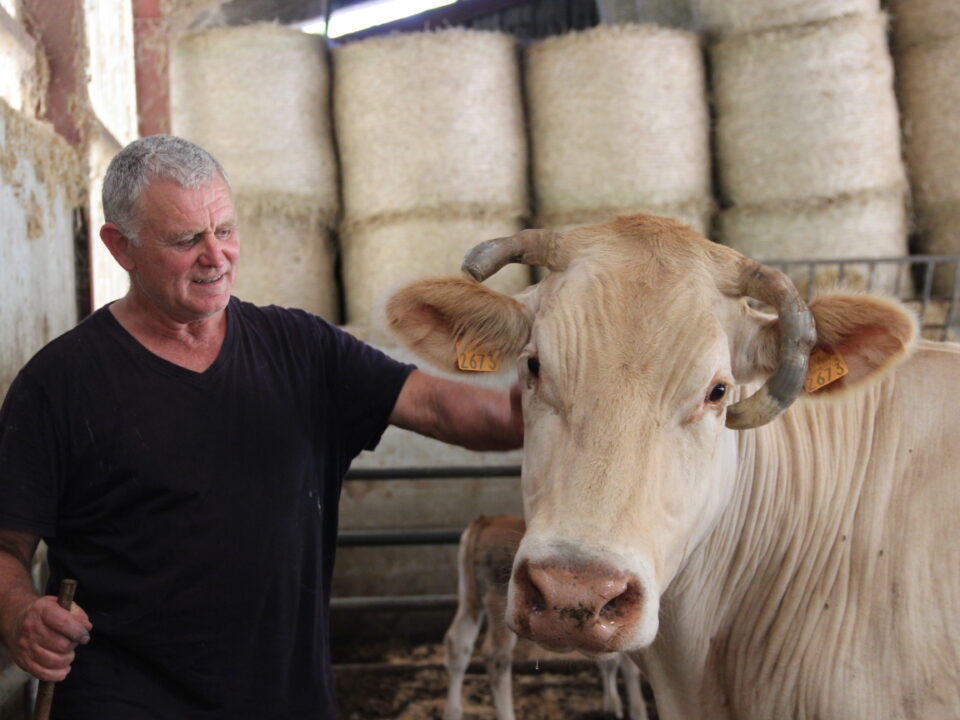
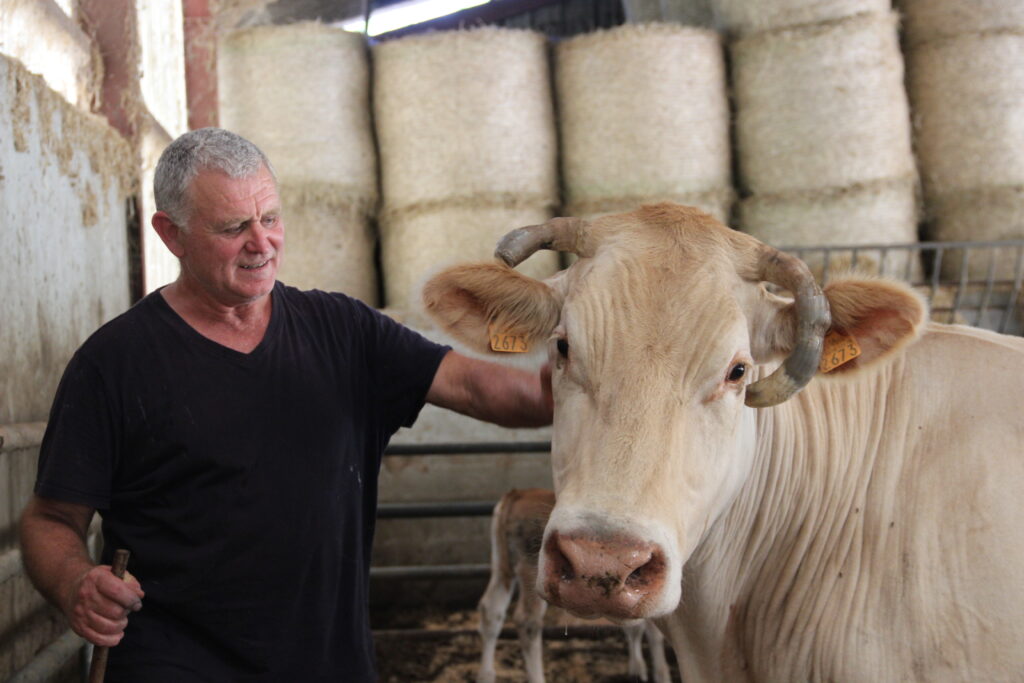
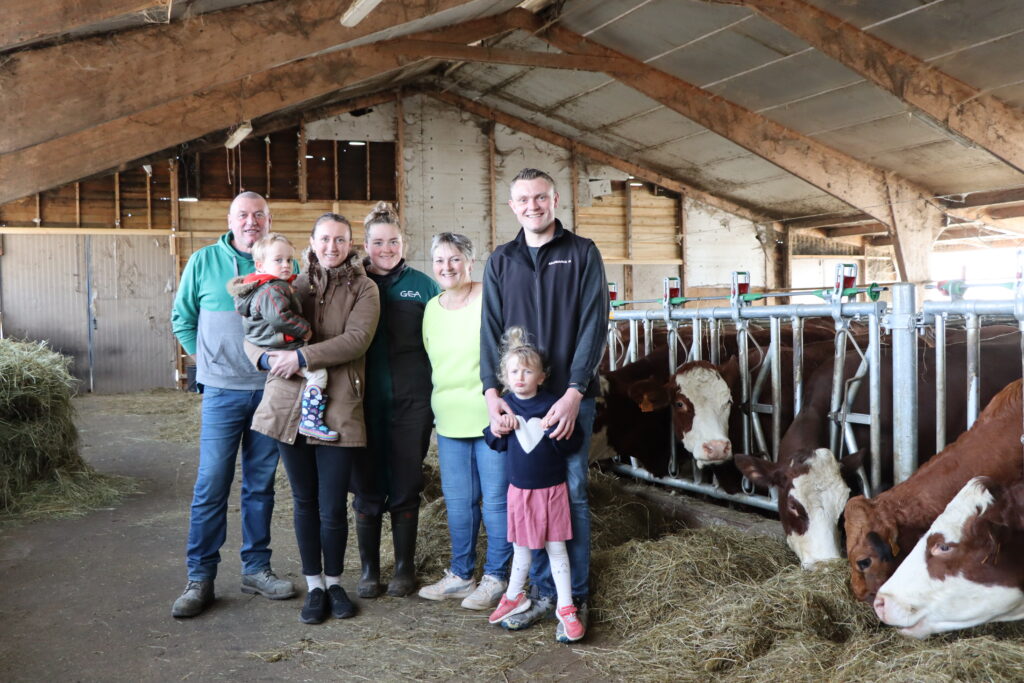
For several generations, the Rouchez family—parents Jacques and Marie-Claire, joined by their son Nicolas and daughter Perrine—has lived according to the rhythm of livestock farming. On the 145 hectares of natural pastures surrounding the farm, the herd consists of 65 milking cows, mostly of the Abondance breed—a breed that is perfectly suited to their pasture-based system as well as their cheese-making operations. Here, nearly 80% of the milk produced is processed on the farm into Cantal fermier and Salers cheeses, which are sold primarily through direct sales.
Genetics Built on Strong Families
While embryo transfer now plays an important role in breeding strategies, these strategies are based primarily on selection efforts that have been underway for many years.
One of the defining turning points in the herd’s history dates back to 2005, with the purchase of eight pregnant Abondance heifers in the Hautes-Alpes, selected with the support of the Breed Selection Organization. At the time, the herd still included Montbéliarde cows. Yet these eight heifers would profoundly shape the future of the breeding program. “They produced excellent females, and the descendants of these heifers still make up nearly a third of the herd today,” explains Nicolas.
Other animals purchased later in Haute-Loire would also help enrich the herd’s genetic base. Over the years, several families stood out in particular, notably the NOSTALGIE line, purchased from Norbert Grimaud, which would have a lasting impact on the herd.
This cow is notably the dam of VOLCAN, one of the iconic bulls born at the farm. For the Rouchez family, the birth of a breeding bull that is included in the selection program is a source of immense satisfaction. “ It’s almost more rewarding than winning a prize at a show because we’re helping the breed progress,” says Nicolas.
Jacques adds: “Seeing the daughters of your bull win awards or succeed at other ranches is a great reward. You can really see the results of the work done over several generations.” “
Breeders Committed to Genetic Progress
This commitment to the selection program also explains the GAEC’s early involvement in genomics. All heifers have been genotyped since 2016, but the commitment dates back to the technology’s early days, when the farm agreed to participate in establishing the reference population. “ We’ve always tried to follow the process of breeding, testing, and then genomics. If we want the breed to evolve in the direction we want, we need to get involved. .”
Very early on, the partners made the decision to make extensive use of young bulls. From the very beginning of the genomics era, nearly half of all inseminations were performed using these sires. Among the examples that left a lasting impression on Nicolas is the bull IKEA. “He was sort of saved by genomics. Under the old testing criteria, he didn’t necessarily have the expected profile. Genomics helped reveal his potential and keep him in the program.”
Even today, the GAEC continues to prioritize genetic diversity. Last year, the 14 heifers retained were sired by 12 different bulls. “ Using a wide variety of bulls helps spread the risk and preserves more options for the future.”
TE for Yourself, but Also for Others
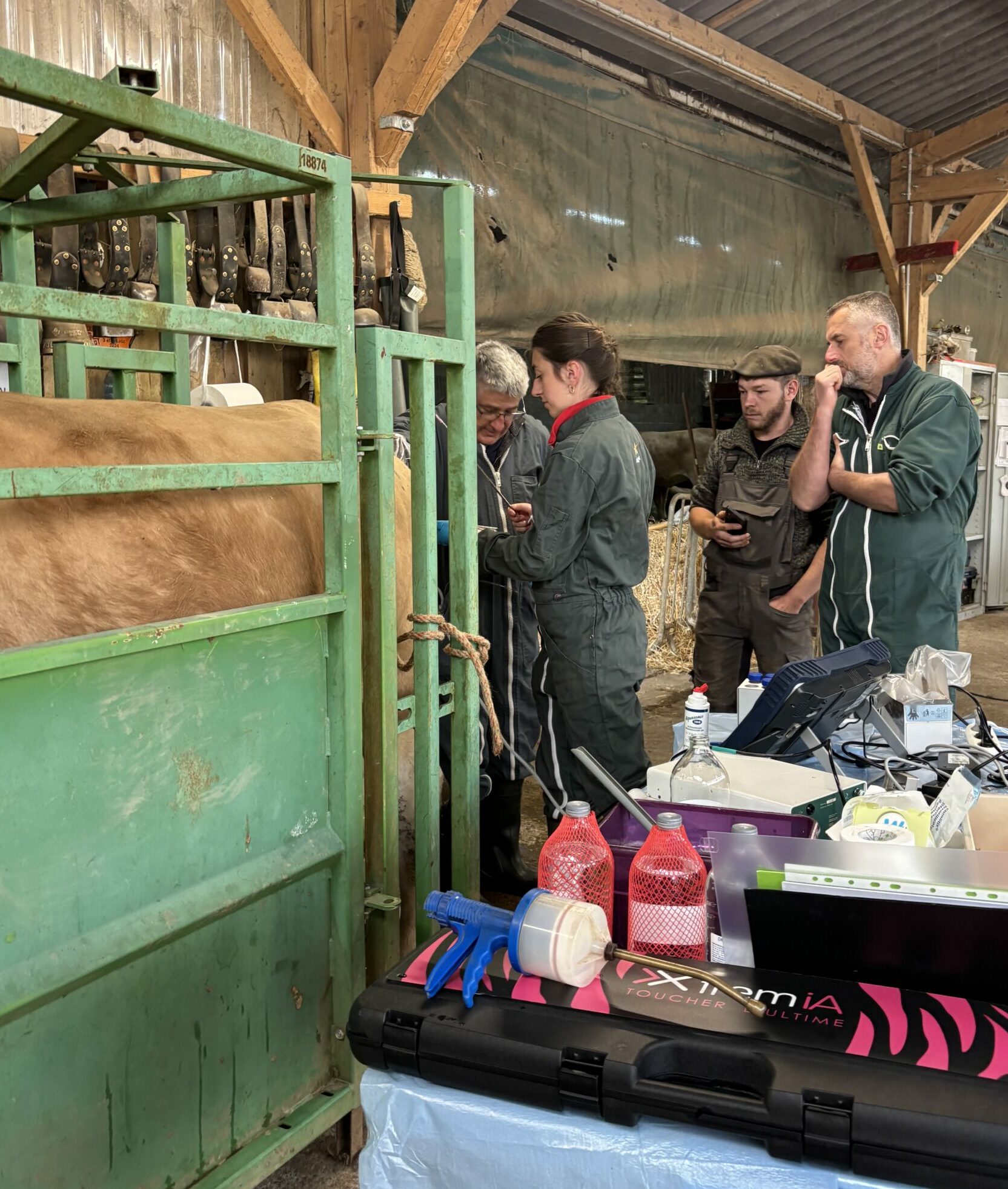
For the members, embryo transfer (ET)—carried out on their farms by the Coopelso cooperative in collaboration with EPV teams—is both a way to preserve their best bloodlines and to contribute to collective progress. By increasing its use of embryo biotechnology in recent years, the breeding program has been able to secure some of these exceptional females while also contributing to the breed’s genetic bank.
As one of the first breeding operations to offer its genetic material during last summer’s DNC episode, the collective aspect really comes into its own here.
“To save our cows, we have to save the embryos; if we had to cull them tomorrow—here or elsewhere—our embryos would be preserved,” ” explains Nicolas. “And genetics is all about speed—everything is moving very quickly. The embryos can’t stay in storage, so if other farms are interested, it seems natural to us to offer our embryos through a bank.”
Nicolas ROUCHEZ - GAEC Ferme du Jarry
Breed from the best females and preserve the most valuable bloodlines
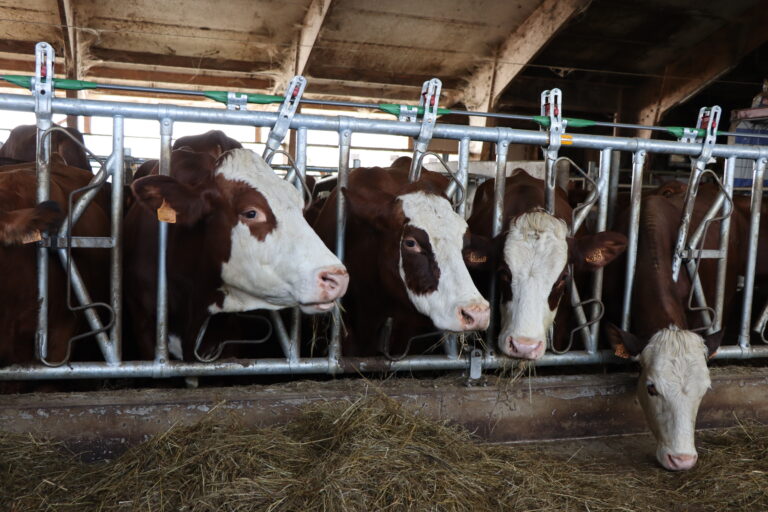
Today, embryo transfer allows the GAEC to take things a step further by effectively leveraging the best females in the herd. As a result, milk is collected from certain females with high genetic potential—whether as part of the selection program, to stock the genetic bank, or for internal use on the farm.
Recently, following a collection from NIEVRE to preserve the bloodline, the breeding program continued with several targeted interventions. Last fall, three heifers—including a daughter of NIEVRE that was particularly well-rounded and excellent in terms of conformation—were collected. Two embryos were transferred immediately, and seven sexed embryos were stored in the embryo bank.
Here, TE is used in several specific situations, whether with the Abondance breed or the Tarine breed:
- to secure a promising heifer with health issues (8 embryos)
- To breed a high-quality Tarentaise heifer (23 embryos)
- secure the bull dam stock (10 embryos)
With eight collections carried out in less than six months—using both sexed semen and conventional semen—the GAEC is taking full advantage of the benefits of artificial insemination and genetics-related services to drive its progress.
A Comprehensive Genetic Strategy
In fact, TE is part of a comprehensive selection process here. All heifers have been genotyped since 2016, and approximately 25% of inseminations are performed using sexed semen, which allows for the rapid identification of the best females and the targeting of embryo transfer programs toward the most promising animals.
Here, the selection criteria are clear: good performance in milk yield, fat and protein content, and functional traits now make it possible to refine the selection process, particularly with regard to milking speed and, at times, temperament. “We look at temperament, but not too much—breeding methods also play a major role.”
When Selection Creates Value
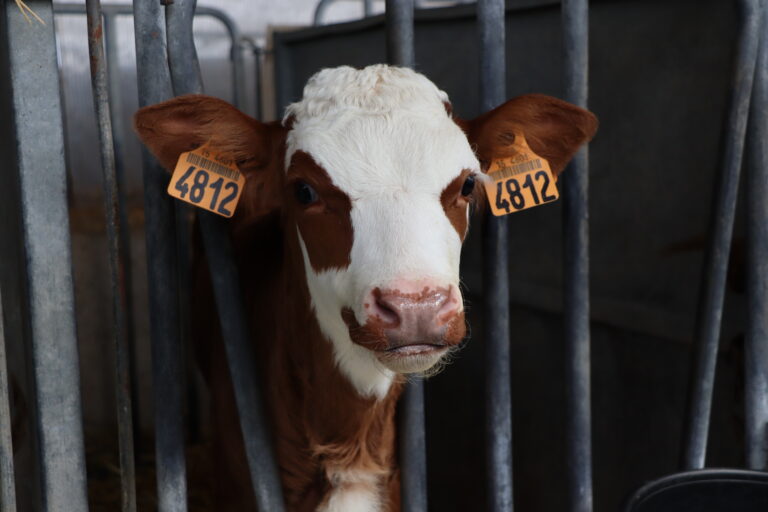
The genetic breeding work carried out over the past several years has also led to strong demand for the farm’s livestock. Thanks to the quality of its herd replacement program and the use of sexed semen, the GAEC sells between 20 and 25 cows “for life” each year, primarily to OS member breeders.
One thing the partners are particularly proud of: the animals they sell are often the ones they would have liked to keep for themselves. “ We sell cows that we’d love to milk. That’s what makes them valuable. “
For several years now, many animals have been going to farms in the Savoie region, among other places. The positive feedback from buyers is one of the greatest rewards for the family’s breeding efforts. “ When breeders call us back to tell us they’re getting good results with our cows, it really makes us happy.”
Advancing the Abondance Breed
As a member of the OS RAR board of directors and deeply involved in the selection process, Nicolas emphasizes the importance of this sense of belonging to the community. The inclusion of the bull VOLCAN—born on the farm — in the catalog is “almost more rewarding than a show award because we’re helping the breed progress more this way; it seems more useful to us.” Jacques adds: “And then, seeing the daughters of your bull win awards and shine at shows, bringing genetic progress to your neighbor’s herd, and seeing that we’re advancing the breed—that’s truly a wonderful reward.”
“We want to continue raising cows that are well-suited to our system—cows that are easy to manage, care for, and calve… We’ll continue to focus on genetic progress and the tools it offers, just as we’ve done with genomics, young bulls, and now embryo transfer. With the Abondance breed, we have it all, so we might as well keep going!”
Famille ROUCHEZ - GAEC Ferme du Jarry
Articles Similaires